
Nutrition and Depression - Dietitian’s View
Authors: Munire Didem Varol, registered dietitian
Disclaimer: The opinions expressed in the following article are those of the author(s), and do not necessarily reflect those of Foodoc.
Oct 10th is World Mental Health Day, as designated by the World Health Organization. It’s a day to raise awareness about mental health issues and it’s a call for action in support of mental health. This year’s theme for World Mental Health Day is: “young people and mental health in a changing world”. Indeed, this is relevant in Canada where suicide ranks as the 2nd leading cause of death for children, youth and young adults (ages 10-29). Overall, suicide is the 9th leading cause of death in Canada. All of this is 100% preventable.
While the reasons for suicide are varied and complex, depression is usually implicated in some form. Does unhealthy eating lead to depression or does depression lead to unhealthy eating? It’s definitely complicated and inter-connected. What role can nutrition play in alleviating depression? There is a lot of research in this area - here is a brief overview of some of the key points.
Foods to emphasize: plant-based foods
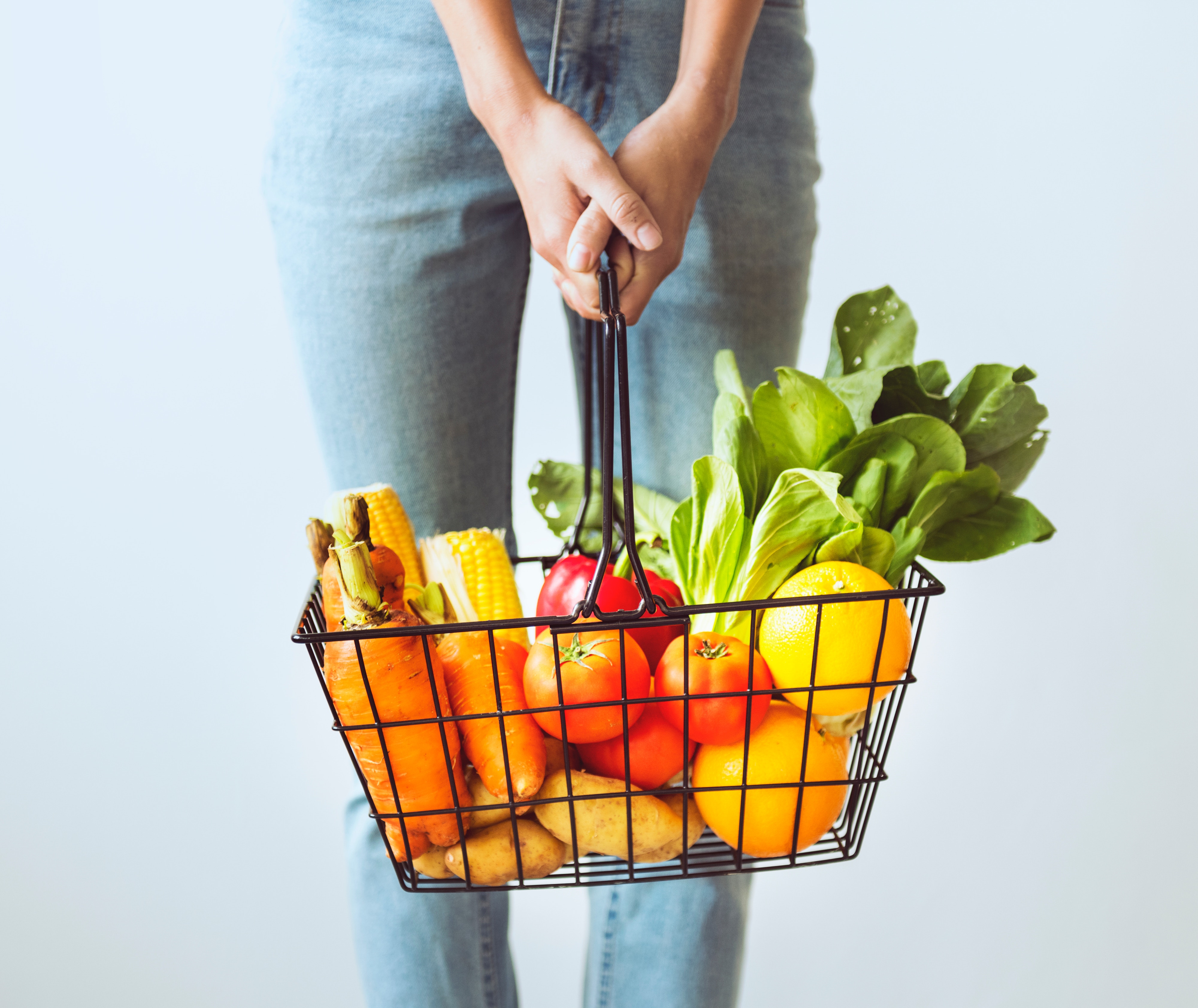
I’m sure you know that vegetables and fruit are good for you, but did you know that higher consumption of vegetables may reduce your risk of developing depression by as much as 62%? So how much vegetables (and fruit) are we talking about? To have a beneficial impact on mental health, try to enjoy a minimum of 7-8 servings of vegetables and fruits each day (1 serving = 1 medium sized fruit, ½ cup cooked vegetables or 1 cup leafy greens).
Does it sound like a lot? It’s actually not hard to meet those targets if you incorporate vegetables and fruits into every meal and snack...basically each time you eat! Also think of these as “free” foods; in their whole, natural form you can eat as much as you want and not even think about the calories. These are disease fighting machines low in calories yet full of antioxidants, vitamins, minerals, fiber, and water.
Why exactly are vegetables and fruit so good for mental health? In short, the antioxidants in vegetables and fruits can help reduce inflammation and oxidative stress in the brain, which are linked to depression. They can also help balance mood-regulating neurotransmitters to optimal levels. Folate is another nutrient that has been linked to depression; lower intakes increase the risk. Beans and greens are especially high in folate. What about taking antioxidant and folate supplements to help reduce the risk of depression? Not a good idea. The whole is greater than the sum of the parts; supplements do not provide the same protective effects.
Research also shows that diets high in complex carbohydrates such as vegetables, fruits, whole grains and legumes can lead to more serotonin production, the “happiness” neurotransmitter. It all starts with tryptophan, an amino acid that is used to produce serotonin. When tryptophan comes from carbohydrate-rich meals (mainly plant-based sources) it more readily reaches the brain than when it comes from protein-rich meals (mainly animal-based sources). Plant-based foods that are particularly high in tryptophan include sesame, sunflower and pumpkin seeds. In addition, plant-based foods lead to healthier gut bacteria, which can also positively influence the production of serotonin.
Foods to minimize: processed foods and animal products
Studies show that people who eat whole foods display less symptoms of depression compared to those who eat mainly processed foods. Also, added sugars and artificial sweeteners, again found in processed foods, have been linked to an increased risk of depression.
There is a pro-inflammatory compound called arachidonic acid, found only in animal products, which has been shown to negatively impact mental health. Foods high in arachidonic acid include chicken, eggs, beef, pork and fish. Consuming these and other arachidonic acid containing foods trigger an inflammatory process which, once it reaches the brain, can cause feelings of anxiety, stress and depression. Minimizing or eliminating these foods can result in more positive moods.
Don’t forget exercise
Although we’re talking about nutrition, it would be a miss to exclude the powerful effect exercise can have on mental health. It’s common knowledge now that physical activity can boost your mood and reduce your risk for depression. You can refer to the Canadian Physical Activity Guidelines for current physical activity recommendations. The main message: the more you move, the better… and it doesn’t have to be in a gym!
Bottom line
In general, research indicates that whole, plant-based foods can help improve mental health. That’s wonderful because those same foods can also help prevent heart disease, cancer and other chronic diseases! All of this makes sense because: what’s good for the mind, is also good for the body and vice versa. For both physical and mental health, base your meals around vegetables + fruit, whole grains, beans + legumes, nuts + seeds and herbs + spices. This is especially important for young people for whom suicide is a serious threat. Get them accustomed to healthy eating and active living from an early age. Lastly, seek the advice of a Registered Dietitian if you need help with your nutrition goals.

Reference
Suicide in Canada Infographic. Accessed Sep 15, 2018.
Physicians Committee for Responsible Medicine. Food and Mood: Eating Plants to Fight the Blues. Accessed Sep 15, 2018.
Greger, M. (2015) How Not To Die. New York, New York: Flatiron Books. p. 198-211.