
Exercise During Pregnancy
Author: Sophia Zheng, Registered Dietitian
Disclaimer: The opinions expressed in this article are those of the authors and does not necessarily reflect those of Foodoc.
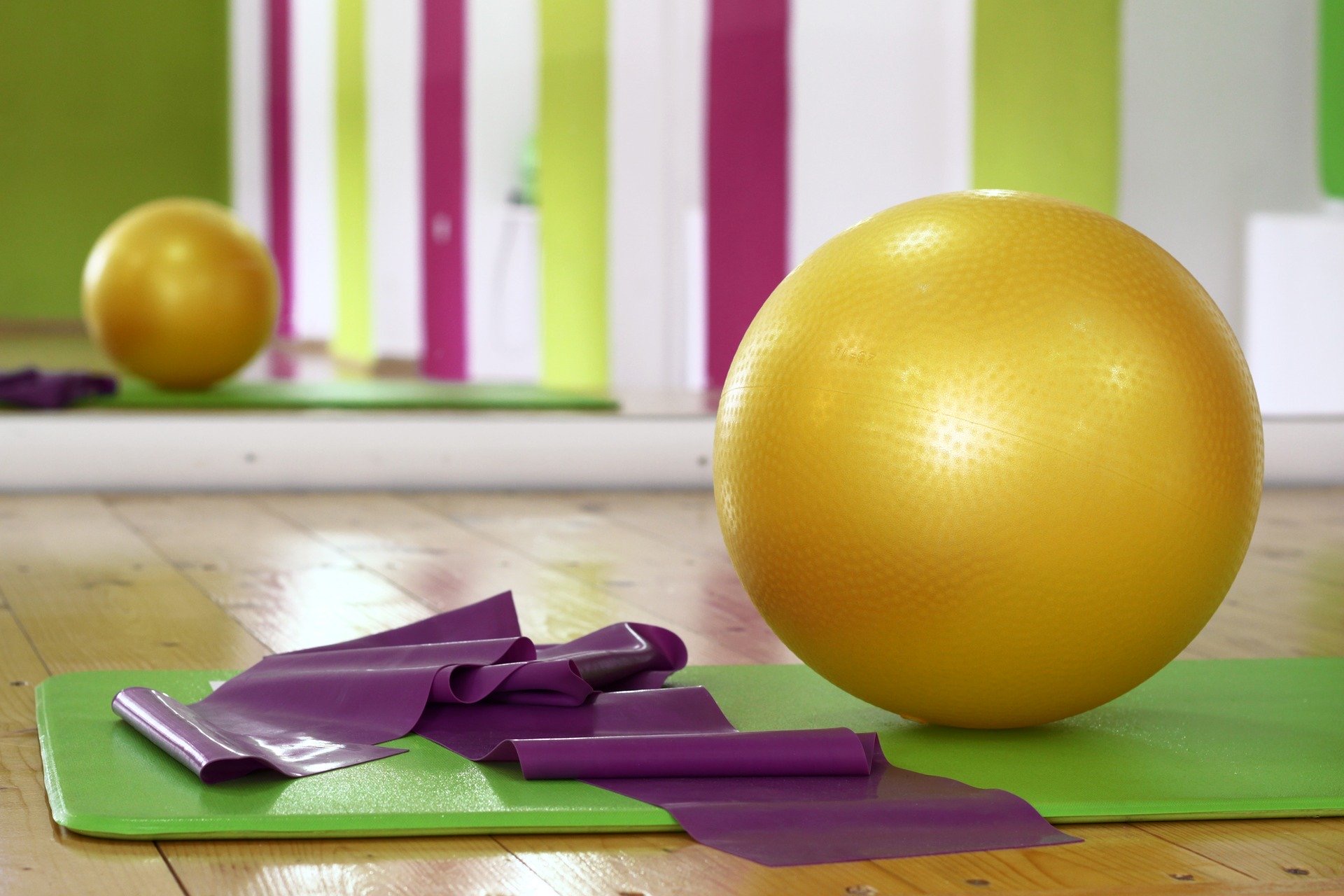
Whether you were previously active or not, thexercise is probably one of the first things pregnant women ask. about: Is exercise safe for me and my baby? What kind of exercise can I do? Is there any type of exercise that is better than othersWhat is an appropriate intensity?
Benefits of Exercise during Pregnancy
According to the 2019 Canadian Guideline for Physical Activity throughout Pregnancy, appropriate amount and type of exercise during pregnancy:
- Decreases newborn complications, e.g. having very big baby
- Provides maternal health benefits, e.g. lower risk of gestational diabetes, gestational hypertension, C-section, urinary incontinence, depression and excessive gestational weight gain
- Is not associated with miscarriage, preterm birth, preterm/prelabour rupture of membranes, low birth weight, birth defects, stillbirth, neonatal death or induction of labour.
Overall, exercise during pregnancy is a great way of making sure both you and your baby will be doing well throughout this journey.
Types of Exercise Suitable
The ideal exercise routine should include a combination of aerobic, resistance, stretching and kegel exercises.
1. Aerobic exercise
Good aerobic exercises to do include swimming, elliptical machine and brisk walking. Avoid exercise that could make you fall such as skiing or running, or those that gets you hit in the belly such as martial arts or basketball. It is also crucial to not exercise in very hot climate to avoid overheating.
2. Resistance training
When it comes to strength training, you could choose any format you like, but the key is not to challenge your body by lifting something much heavier than usual or pushing yourself to exhaustion. Feel free to use weights or resistance band, but body weight exercises are just as effective.
3. Stretching
The importance of stretching is often overlooked. Frequent stretching helps to flex and strengthen the muscle, which in turn reduces the chance of injury and joint pain, both of which are very common in new mothers. It not only is a good way to wind down after a workout, but it also prepares you for motherhood just as well as all the other types of exercise. Pilates and yogas are also great way to stretch while building strength and and endurance, though they need to be modified for it to be suitable for pregnancy.
4. Kegel exercise
Training your pelvic floor muscle reduces the likelihood of urinary incontinence. You may consider working with a pelvic floor physiotherapist to make sure you are doing it right.
Exercise Intensity
Moderate intensity is often recommended, i.e. our heart rate is up, but you shouldn't be out of breath. A good indicator of the right intensity is that you should still able to talk, but cannot sing. Your heart rate is up, but you shouldn't be out of breath.
However, if you were not very active before pregnancy, start with light activities like taking a walk or strength training using water bottles (akaor 1-2lb weights). Increase the intensity slowly as you go. Even if you are not able to reach moderate intensity, doing light exercise is still better than being sedentary during pregnancy. Studies have donwere specifically done on pregnant women who were not previous active and have shown that it is safe and beneficial to start physical activity during pregnancy.
On the other side, if you have been very active and are used to regular vigorous exercises, you could go a little more intense depending on your own comfort level. Just remember to follow your own feelings and do not push yourself too hard.
Frequency and Duration
It is recommended to accumulate a minimum of 150 minutes (i.e. 2.5 hours) of moderate exercise per week and spread it out over at least 3 days. The ideal duration for each session is 30-60min, unless the intensity is relatively light. In addition, incorporate strength training at least two times per week.
Here are some examples of what your exercise schedule could look like when meeting the minimum recommended amount of exercise:
- 50min, three times/week
- 60min, two times/week + 30min, one time/week
- 30min, five times/week
That being said, it is better to look beyond the minimum recommendation and exercise every day during pregnancy.
 Originally appeared as guest post on The Conception Diaries
References:
- University of Alberta, CSEP, The Society of Obstetricians and Gynaecologists of Canada, Western University, UQTR. (2019). 2019 Canadian Guideline for Physical Activity throughout Pregnancy. Canada
- The Royal Australian and New Zealand College of Obstetricians and Gynaecologists. (2016). Exercise during pregnancy.Victoria, Australia: College House.
- Harvard Medical School. (2019). The importance of stretching. Retrieved from https://www.health.harvard.edu/staying-healthy/the-importance-of-stretching.