
Eating Around the Holidays
Author: Evan Huang-Ku
Disclaimer: The opinions expressed in the following article are those of the author(s), and do not necessarily reflect those of Foodoc.
With the Holidays being just around the corners, food enthusiasts have already begun planning the inside-outs of their Christmas Dinner, from appetizers to desserts. Some might have already taken it to the next level by writing out the brunch menu on the following day. It is almost a convention by now to gorge, and gain a few extra pounds over the Holidays, then post and share memes about overeating at the feast to humour ourselves. So we ask, is it even possible to eat healthy in the holidays?
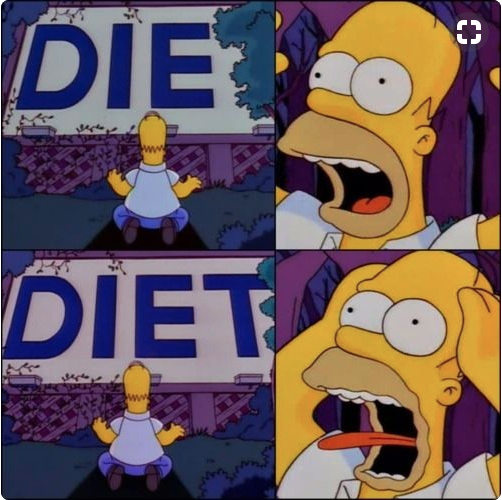
While it is quite cruel and unrealistic to begin a dietary regimen in Holiday season, there are some useful tips you can employ to manage your diet. Here are the three efficient and practical tips to help you:
##Tip #1: Do not starve yourself before The Big Dinner It may seem like common sense to restrict yourself before the big dinner so that your overall calorie throughout the day (including the big meal) stays within a healthy range. This approach isn’t wrong, as long as your total calorie doesn't exceed your expenditure, you won’t gain weight. However, it can be a painful approach. Limiting your food intake throughout the day can put you at risk of a low blood sugar, and the possible symptoms are feeling lightheaded, dizzy, and having a headache. Feeling ill and hungry definitely won’t make your Christmas Dinner a pleasant one.
This is what you can try instead. Eat your regular meals at breakfast and lunch, but at a smaller portion. Replenish yourself with fruits and vegetables throughout the day to avoid feeling hungry before the big dinner. This approach will not only stable your blood sugar and give you energy, but also it can help control your dinner consumption because you aren't starting your dinner feeling starved. Having a little bit of something in your belly before the meal decreases your urge to eat "a lot."
##Tip #2: Pile your plate with Vegetables As everyone begins to help themselves with the delicious food on the table, you can start with vegetables. Vegetables are low calories, rich in vitamins, minerals, and fiber. Fiber is undigestible, meaning that it stays in your stomach longer and make you full longer. (Small tip: make half of your plate vegetables before adding the meat and the carbs.) When your stomach is already full of fiber-rich vegetables, it’s less likely to overeat other types of high-calorie food, such as the stuffing made with cups of melted butter. At your second helping, choose vegetables again.

##Tip #3: Be very social on the table At the dinner table, there are roughly two kinds of activities: eat or speak. When you’re talking, you’re not eating and vice versa. Focus on the conversations with friends and family, talk about anything unusual that happened this year, where they traveled to or where they wish to visit next year, what are their new year resolutions. Exchanging chats over the meal also slows down your eating. Eating slow gives your body time to fire the satiety cues, so you don't overeat.
While catching up with friends and families, don’t forget to praise the dinner host for the delicious food that they have prepared for you, even though deep down you might be trying to avoid overeating of it.

##Tip #4: if you ended up eating too much anyways… you can always start afresh next year!
Gaining a bit of weight over the holidays is not a big deal, in fact, almost everyone will complain about gaining weight at the start of next year. That’s why “losing weight” still ranks high on new year resolutions. For most people that are healthy, gaining a few extra pounds won’t suddenly make you unhealthy. Put "eating healthy" on your new year resolution and get motivated to begin!
If you would like to get professional help with maintaining your health through proper nutrition, you should consult a registered dietitian. Registered dietitians are regulated-healthcare professionals that practice evidence-based nutrition, so you can be assured to receive the safest, most efficient and sustaining nutrition coaching.
About the author:
Evan’s interest in nutrition was brought about by the exposure to information on various fads diets and superfoods on the internet. He too believed that by following a very specific diet that restricts certain food groups or by consuming superfoods in abundance could burn fat, alleviate pain, and even cure diseases. With all the “nutrition facts and fads”, and too-easy sounding promises floating on the web, it is difficult to know what’s true and what is “too good to be true”. With a degree in Nutritional Science at McGill University, Evan will guide you through the evidence and help you work towards your health goals. Evan believes that nutrition is more complex than following one-size fits all diets. His goal is to help you achieve nutritional goals that are realistic and sustainable, and most importantly, includes food that you loves.
In addition to his passion for nutrition, Evan also feels strongly for environmental sustainability and animal welfare. Consuming more fruits and vegetable, as well as plant-based protein is not only healthier for most clients, but also helps to minimize environmental damage and greenhouse gas emission. If you are interested to learn about vegetarian and vegan nutrition, or simply to consume more fruits and vegetables, be assured that Evan has the right tools to help you to achieve just that.
Book an appointment with Evan to work with a registered dietitian who is sensitive, listens to your concerns, and is able to help you set achievable goals.